Getting Your Teeth Into Dental SEO
A comprehensive guide to dental SEO covering local SEO, Google My Business, content strategy, link building, and expert interviews from dental SEO professionals.

It goes without saying that the world of dentistry is incredibly competitive, and the same is true for the industry when it concerns online marketing and SEO (search engine optimization).
With this in mind, it is crucial that dental surgeries are implementing the best and most up to date practices for their sites.

In this article, I’ll discuss some of the best and most important factors that you must consider before and during a dental SEO campaign. You can do some of these things yourself or find an agency/consultant that can help you with dental SEO services.
Most dental practices use PPC extensively. However, PPC can be expensive and when done right SEO can help you drive low cost leads in the long run.
From the need for local SEO, right through to making the best out of social media channels, I’ve also interviewed some of the leading minds working in the dental SEO niche.
Why SEO is important to a dental practice
No matter what industry you are in, or how large your business might be, there is always something to be gained from an intelligent, creative, and technically backed SEO campaign.
Whether you are a brand-new dental practice or one that has been around for decades, a sound knowledge of best SEO practices can help you drive both potential visitors to your website.
By building authority, expertise, and trustworthiness (also known as E-A-T) you can take on and get ahead of the competition in your local area. You can get top Google rankings and drive highly qualified leads and customers.
How a dental practice can measure SEO investment and ROI
It is a common assumption that SEO can’t be measured, but the truth is that the results of an SEO campaign can be measured on a great variety of real factors, including:
- Increase in search engine rankings across crucial commercial keywords
- Increase in the number of enquiries received
- Organic traffic increases
- Revenue increases
- Growth in brand searches
Getting your company on board for dental SEO
The first step of any SEO campaign is getting people on board. When companies undergo technological changes, especially when it concerns aspects of digital transformation, it can often be difficult to implement change or inspire confidence.
In my experience, by offering jargon-free explanations, alongside honest and transparent roadmaps, even the least technical person should be able to understand the benefit of what SEO services can provide.
Getting your website in order
It could be said that the bulk of SEO was once about link campaigns and offsite marketing, however, a greater and more technical number of considerations must now be taken into account.
Much of this revolves around the technical capability of a website, and the quality of the offering that it can provide to the people who use it.
Ensure your website is well structured
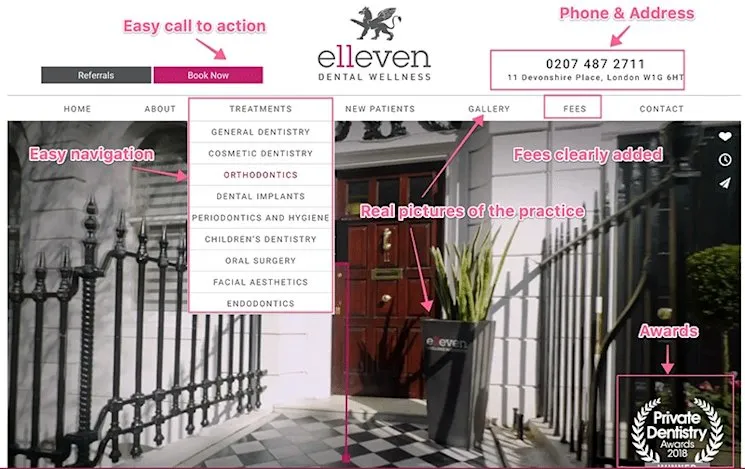
A good website structure is key for any website so that both users and search engine crawlers can easily navigate throughout its pages. Google and other search engines reward websites with strong and clear structures.
Navigation is also critical
A poor navigation system will result in both users and search engine crawlers not being able to find their way around a website. Users need to be able to explore your website with ease, and always be within two clicks of the homepage.
Ensure all pages can be indexed
It is important that you know exactly which pages are being crawled and indexed by search engines. You can check this by looking at your Index Coverage Status Report within Google Search Console.
Check your loading speeds
As more people are now accessing websites through mobile devices, it is becoming increasingly important that sites load quickly and efficiently. Site speed is also a ranking factor for both mobile and desktop sites.
You can check the speed of your site using Google’s Lighthouse and PageSpeed Insights tools.
Consider mobile optimisation
Due to the fact that so many people are accessing sites from mobile devices, it also means that sites must be optimised from a mobile perspective. This can include anything from the implementation of AMP pages, right through to ensuring that the website design is intelligent and responsive.
Set up tracking properly
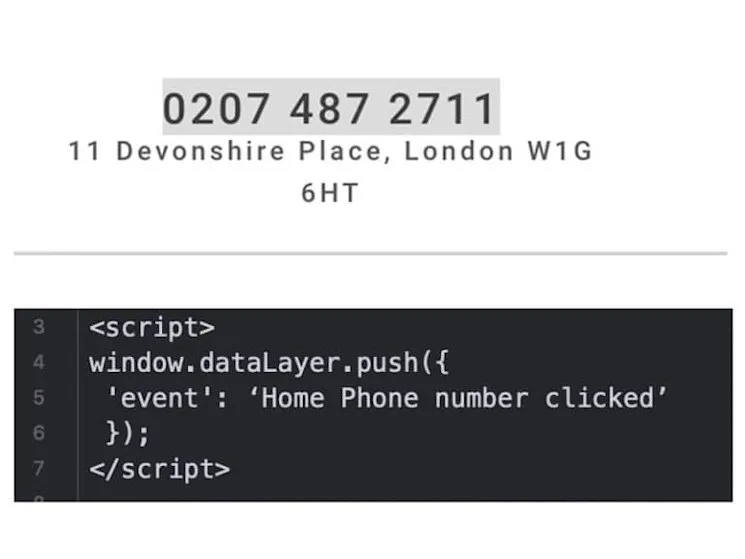
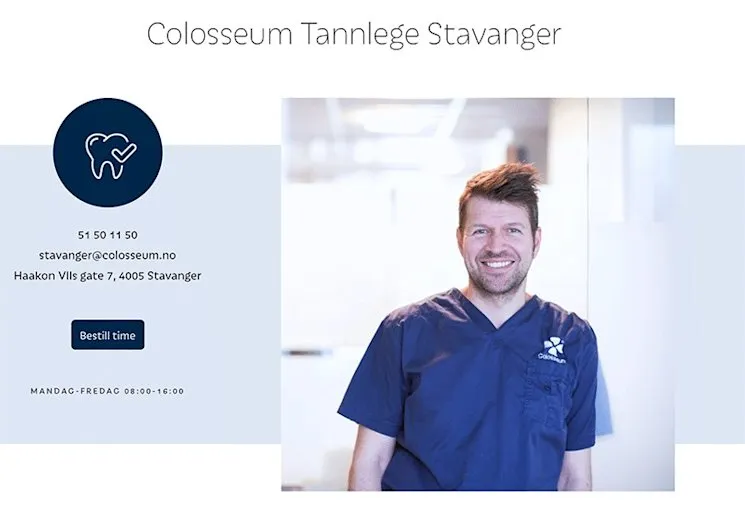
You can use data layers to push an event via the Google tag manager and convert the event into a goal in Analytics. Ensure your contact information is visible throughout the site. Telephone numbers, addresses, and even emails should be visible and easy to find.

Consider implementing a booking form
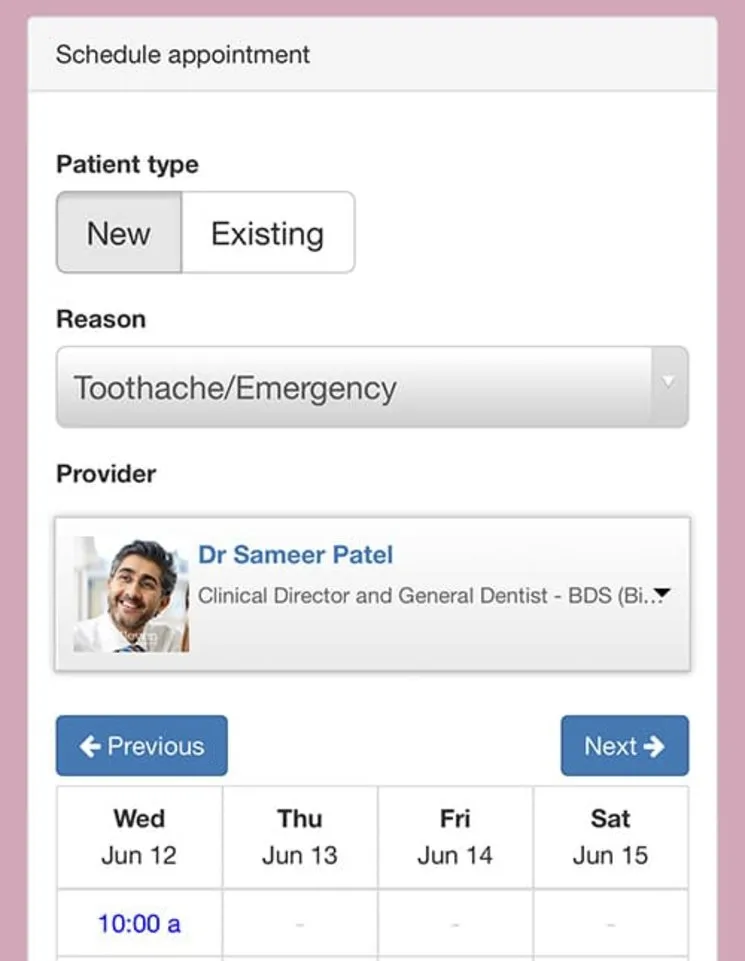
Now more than ever people are booking crucial services through booking forms and they are a great way to ensure that your customers or patients can book an appointment without ever having to leave the site.
Focus on conversion
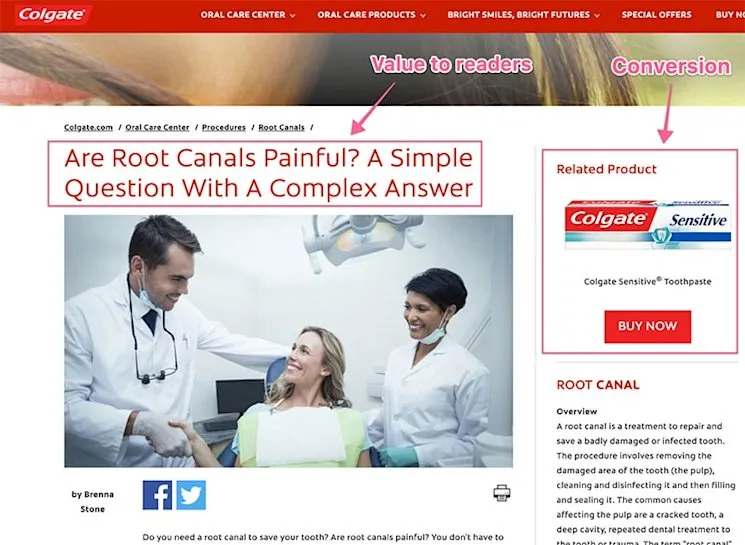
By following best practice guidelines and ensuring that your site is user-friendly, you can focus on gaining more conversions. Keep your site active by updating crucial information and provide supporting articles and FAQ pages.
Remember to include crucial information
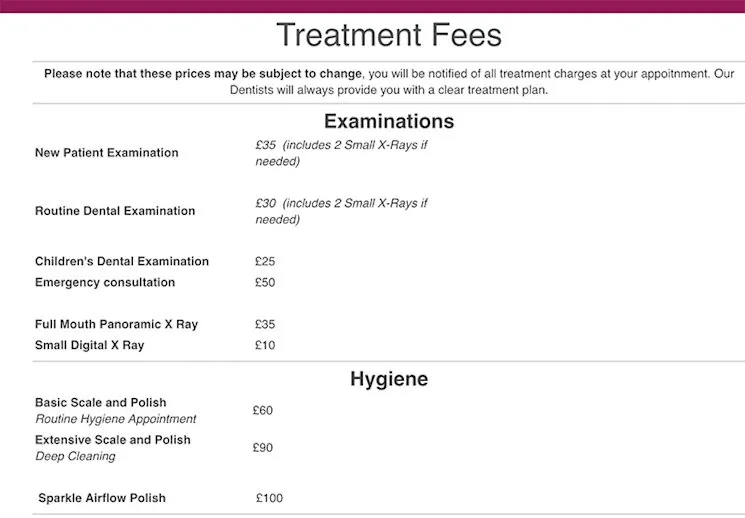
Ensure that the opening and closing times are available for your dental office. If relevant, ensure that your prices are displayed in easy to find locations. Providing information such as parking and disabled access offers a great level of care.
Local SEO must be a top priority
Since the majority of people searching for dental surgeries will be searching for businesses in their local area, it is crucial that local considerations are catered for.
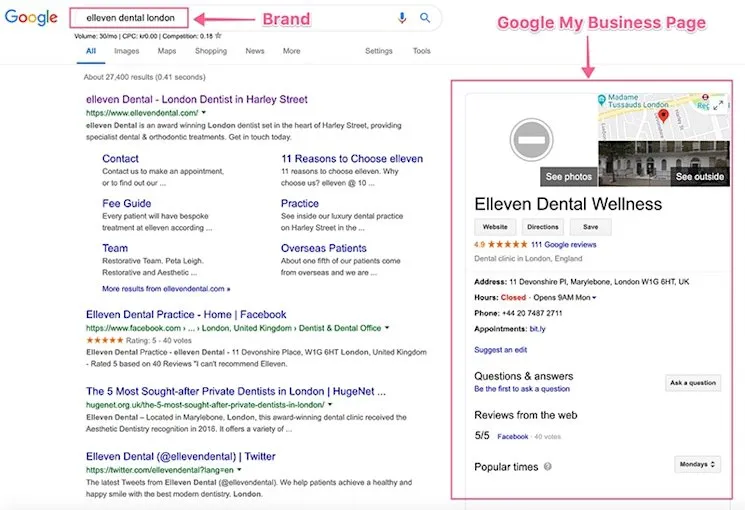
Claim your Google My Business Profile
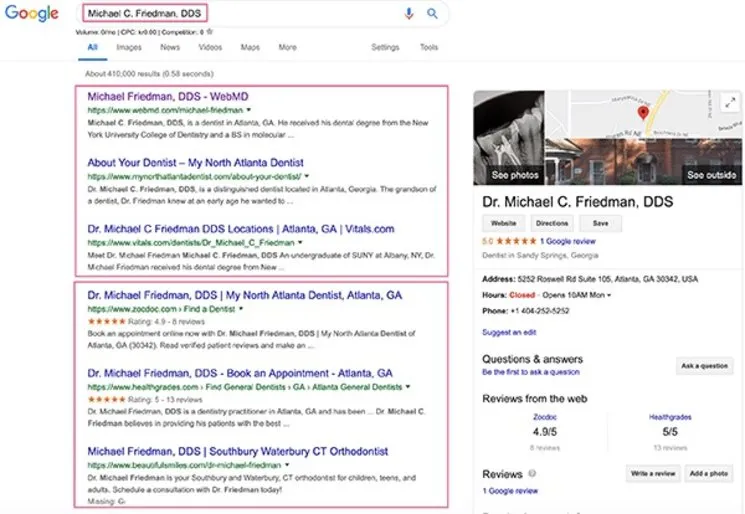
Google My Business is a free service offered to businesses so that they can be found by people searching within the local geographic area. Make sure to fill all the information and keep them updated. You can also manage your Google reviews through the My Business account.
You should also consider Bing Places for Business, which is a similar service for those who search on Bing.
Create local landing pages
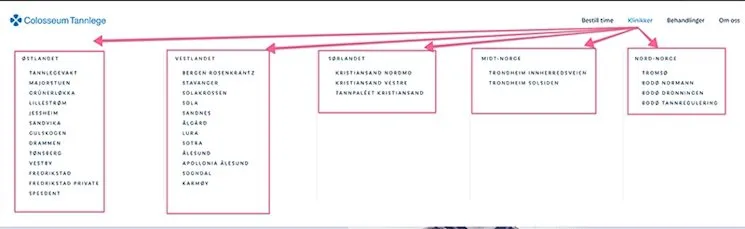
If you happen to have more than one location, it is worth considering creating local landing pages so that you can rank and generate leads from those areas.
Optimise for local map queries
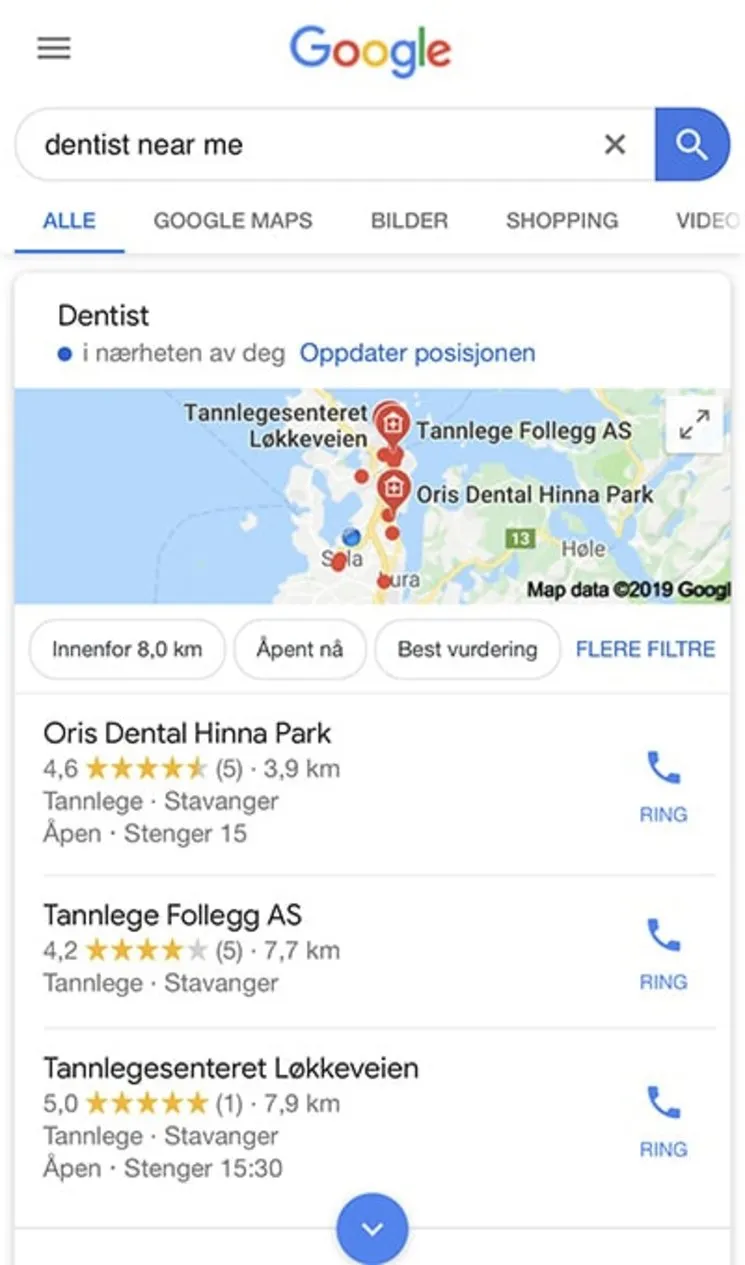
Now more than ever, users are searching for services and products near them, often using the term “near me”, which means that local businesses need to optimise for their geographic locations.
Ensure that your content on local pages involves important search criteria such as “dental practice” + “your city”.
Ensure that your NAP details are correct
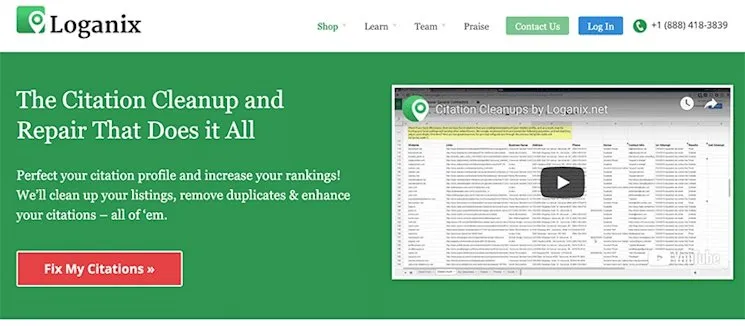
By providing a proper name, address, and phone number details on your site, you are providing strong signals to search engines that your business is legitimate. Many businesses change their contact numbers and addresses and often forget to clean up the citations online.
Sign up to local business directories
Local business directories can provide value to local search campaigns and can even help you develop a good link profile. You should consider joining your local chamber of commerce, alongside getting listed in directories such as Yelp, Yahoo, and Yellow Pages.
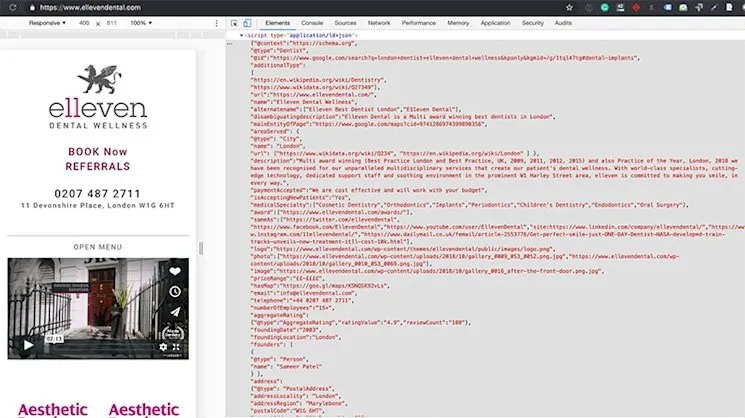
Add schema markup to your site
Adding structured data to your website helps search engines quickly identify and understand what your site does. There is also specially created markup for dentists that you can add — check schema.org/Dentist.
Provide relevant imagery and videos
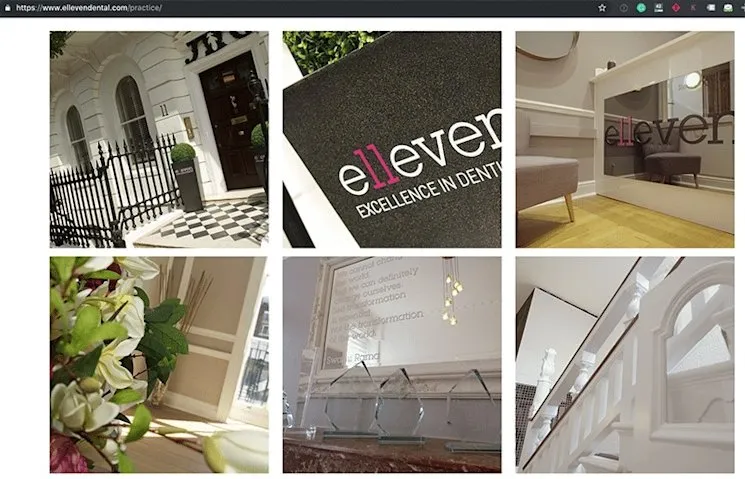
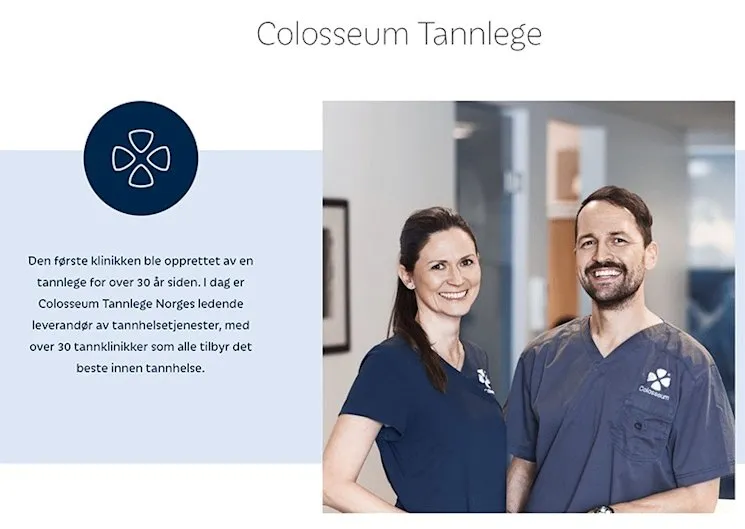
Ensure to give people a good idea of what your business looks like by offering pictures of the company and relevant pictures of staff. Videos can show the process and facilities more clearly. Dental clients often have anxiety and fear, so a well-made video can put them at ease.
Get and manage customer reviews and testimonials
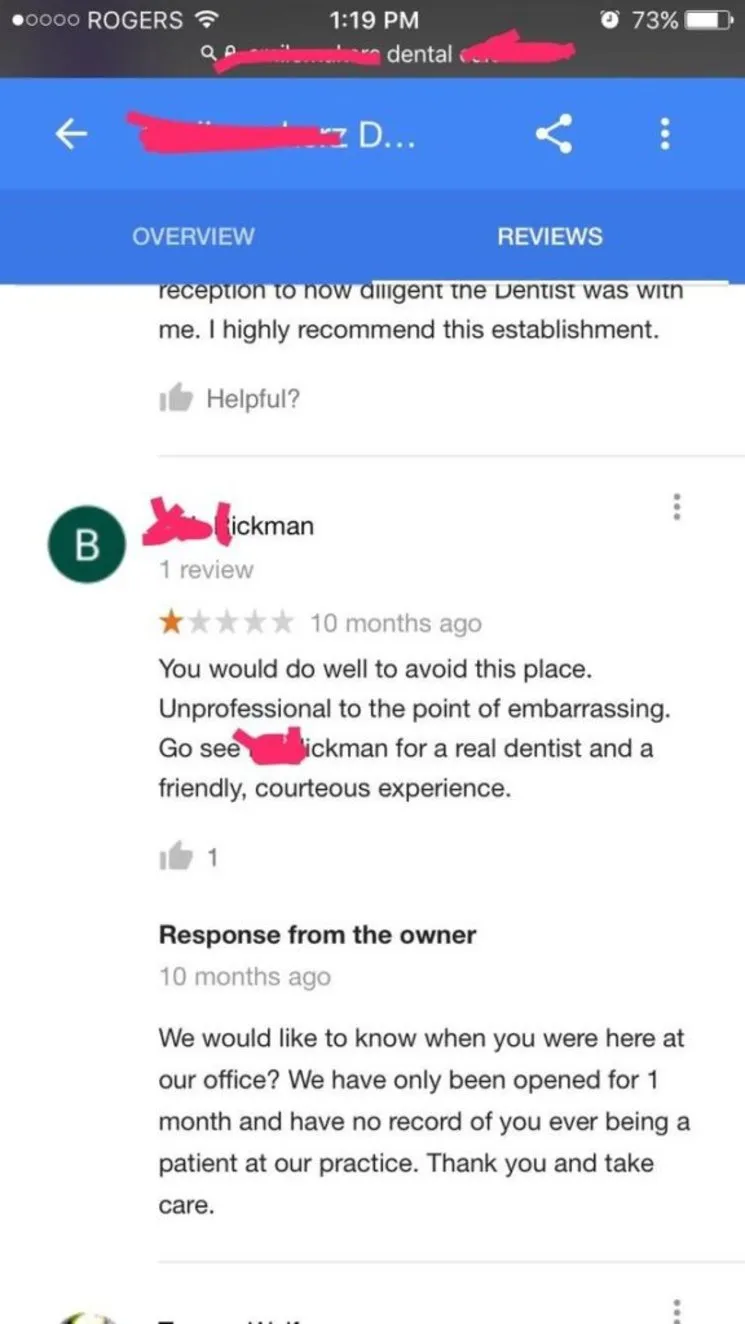
Reviews and testimonials are crucial trust factors for both users and search engines. It also gives businesses the opportunity to respond to negative reviews and criticism.
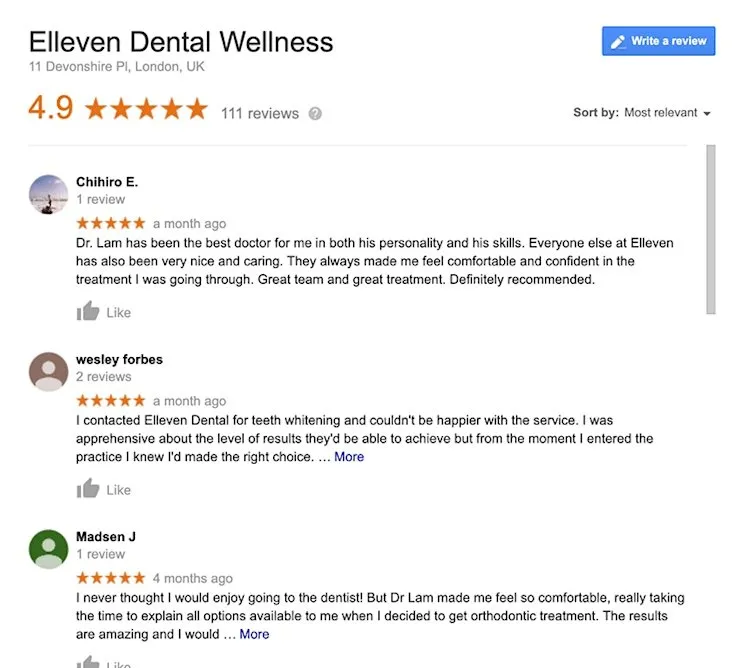
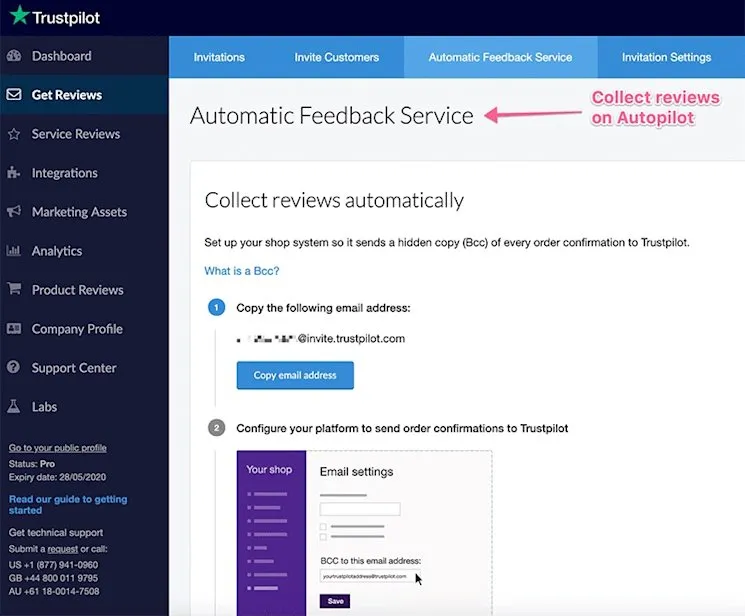
Google aggregates reviews from multiple channels, such as Trustpilot, Yelp, and Feefo, so ensure to periodically check through and tender your reviews.
Every business gets negative reviews and you can deal with them in a smarter way. Keep in mind others will be reading — be polite in your replies and how you handle a situation.
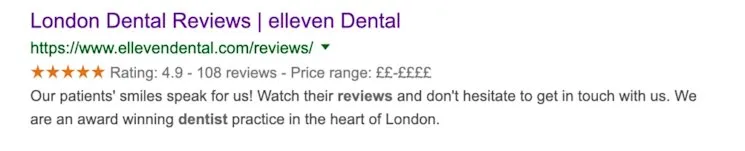
Having schema data in your webpage can also help you get star ratings in SERPs. It’s known to increase click-through rates.

Start a regular blog if you do not have one already
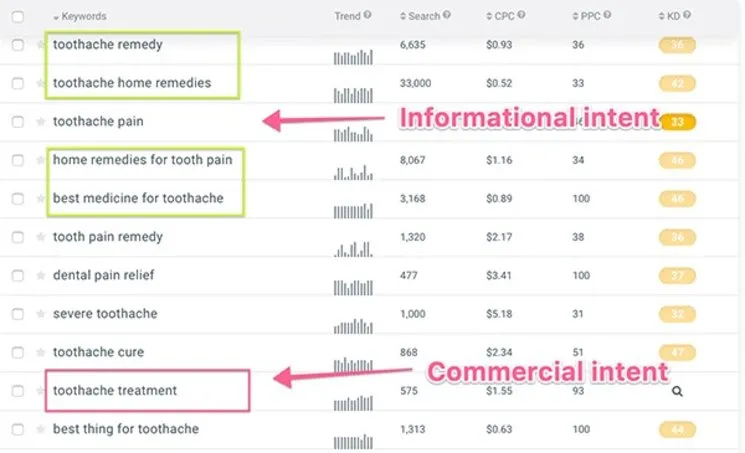
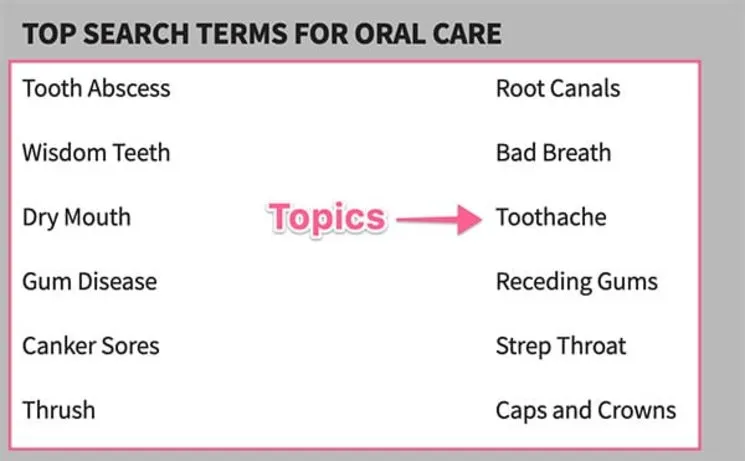
Keeping a regular and well-written blog on your site not only offers positive signals to search engines that your site is healthy and active, but it also enables you to cater to people searching for information, such as symptoms and ailments.
Tips for dental content creation:
- Research important keywords and consider intent between commercial and informative searches
- Create categories for different topics, such as ‘paediatric dental’, and link to commercial pages
- Consider topics people will search for — for example, “How does smoking affect teeth health?”
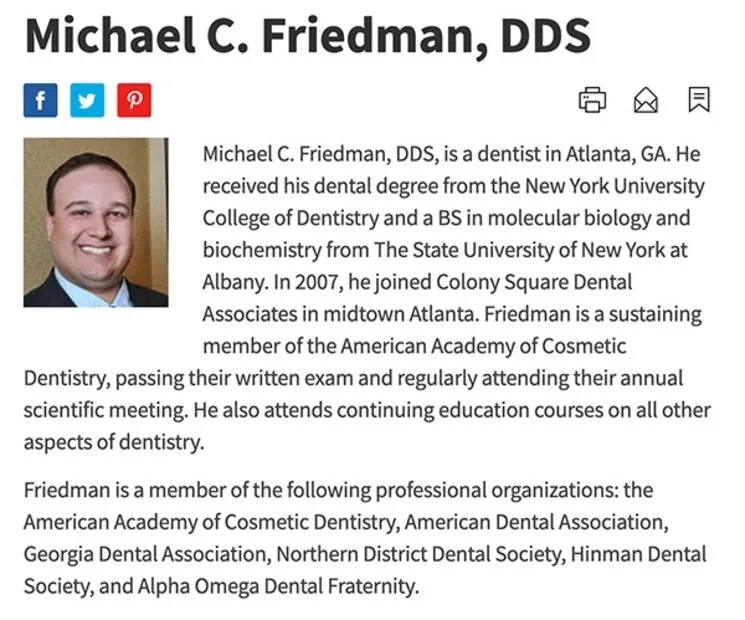
- Create trust by providing information backed by relevant sources and medical information (E-A-T)
- Research what your competitors are doing with their supporting pages
- Promote your articles through relevant social channels
Build relevant links to your site
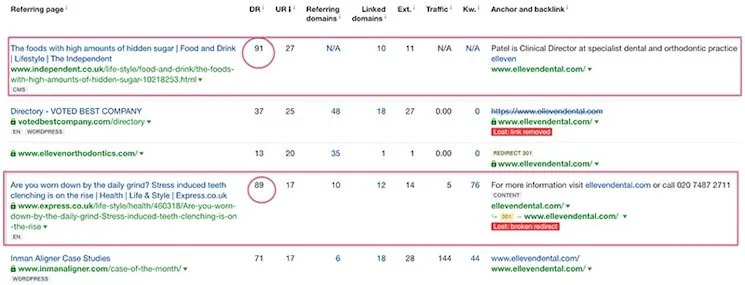
There is a range of strategies for creating “noise” around your business so that you can generate local and even national coverage.
If you have any business news, you could consider writing a press release for local newspapers or magazines. Another tactic is utilising content marketing and writing articles on other websites.
While links can be very helpful for a site’s search campaign, it is important to remember that there are guidelines that you must adhere to, such as not paying for links, and staying away from sites that are low quality or spammy.
Do not neglect social channels

Although Google has frequently stated that social shares and mentions are not a ranking factor, they are however an important user engagement signal.
Regularly post on your channels and ensure that the tone is in line with that of your website. Interact with your audience wherever possible.
Keep up to date with the latest news and opinions
The world of SEO and digital marketing changes and evolves on a daily basis, so it is integral that you keep up to date with some of the leading publications, blogs, podcasts, and thought leaders in the industry.
Interview with Jordan Choo, Managing Partner at Kogneta
What’s the most challenging part of working within the Dental SEO niche?
The biggest thing is educating dentists on SEO and having them look at it from a holistic manner. Take local link building as an example — it shouldn’t just be to improve your practice’s authority and rankings. It’s also a brand-building exercise.
A good tip for anyone doing SEO for dental clients?
Think about things holistically and understand that it requires work not just from the agency, but also the practice and its staff.
Interview with John Kramer, Marketing Consultant
What’s the most challenging part of working within the Dental SEO niche?
The dental niche is overcrowded and very competitive. Dental clients traditionally came through word of mouth and family connections. Internet marketing is a relatively new concept for many. A large part of dental work is based on trust.
How do you overcome the above challenge?
Focusing on being transparent, personable and reinforcing E-A-T. Video has been used extensively for both testimonials and commercial angles. Top of the funnel marketing with geo-targeted Facebook ads has also worked well for newer businesses.
A good tip?
Focus on people. The internet these days is about transparency and understanding. Having a personal and transparent web presence goes a long way.
Interview with Fernando Balino, Founder of The Harmonyc Group
What’s the most challenging part?
Building trust with your audience. The second most challenging aspect is local competition and exposure.
How do you overcome it?
Reviews matter — most people read a staggering number of reviews before choosing any doctor. Explain insurance and costs upfront, keep track of reviews, learn about dentistry, and really know your competition.
A good tip?
Local exposure really works. Attempt to build local exposure through relevant blogs, interviews, magazines. Prioritize backlinks with the most relevant anchor text focused on the most profitable services.
Interview with James Norquay, Founder of Prosperitymedia
What’s the most challenging part?
Dentists are busy clients so you need to ensure that content approvals are sent in advance and that full reports are sent on time. Making use of landing pages and correct dental schema markup is key.
A good tip?
Ensure you do things correctly and do work on time and it will go well.